Trump’s plans won’t kill EVs, but will hurt sales, experts say

U.S. Energy News is taking a break for the Thanksgiving holiday. We’ll be back on Monday, Dec. 2.
ELECTRIC VEHICLES: U.S. automakers have invested billions in the transition to electric vehicles and are unlikely to change course, though dealers say President-elect Trump’s plans to eliminate federal tax credits will harm sales. (Associated Press)
ALSO:
- Saying “we’re not turning back on a clean transportation future,” California Gov. Gavin Newsom proposes state rebates for electric vehicles — possibly excluding Tesla — if Trump follows through with cutting federal tax credits. (Associated Press)
- The Energy Department approves a $6 billion loan for a Rivian factory in Georgia, part of a program that has helped create 50,000 jobs during the Biden administration, according to its administrator. (New York Times)
- The EPA yesterday released its 50th annual Automotive Trends Report, which says electric vehicle adoption is helping drive a downward trend in carbon emissions from the automotive sector. (news release)
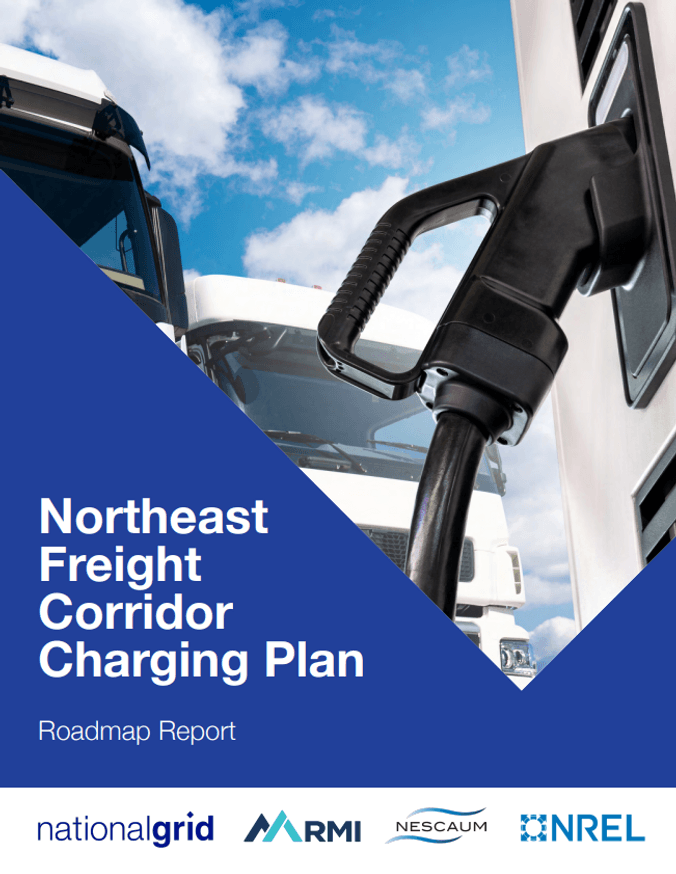
SOLAR: Duke Energy builds an electric vehicle charging station near Charlotte, North Carolina, that includes a solar farm and two battery storage systems, and could become a model as commercial trucking companies electrify their fleets. (WFAE)
OFFSHORE WIND: Offshore wind companies are steeling themselves for permitting slowdowns and other obstacles from the federal government as Trump, a vocal offshore wind opponent, prepares to take office. (E&E News, subscription)
GRID:
- A company that operates “virtual power plants” of aggregated smart thermostats say pilot projects with three utilities show the technology can be an effective demand-response resource and potentially save billions of dollars in energy costs. (Canary Media)
- The Energy Department seeks proposals to use artificial intelligence to help analyze interconnection backlogs. (Axios)
- A settlement agreement in Indiana would require large new load customers like data centers to make long-term financial commitments to pay for the costs to serve them to avoid costs shifting to consumers. (Utility Dive)
- Texas regulators vote to require cryptocurrency data centers to register with the state as they try to get a handle on the sector’s growing power needs. (Texas Tribune)
TRANSMISSION: The Biden administration announces a $4.9 billion loan guarantee to help finance the first phase of the 578-mile Grain Belt Express transmission line, which aims to move solar and wind energy from Kansas to Missouri and beyond. (E&E News)
HYDROGEN: Four partners have withdrawn from a regional network building an Appalachian hydrogen hub due to the inclusion of strict carbon emission limits in a tax credit to incentivize production. (Mountain State Spotlight)
HYDROPOWER: Reflecting a global trend, Canada’s exports of hydropower — a key clean energy resource for the U.S. — have fallen to their lowest levels in 14 years due to weather extremes fueled by climate change, according to the International Energy Agency. (AFP)
NUCLEAR:
- The timeline for reopening a shuttered nuclear plant in Michigan next year could be delayed after inspectors found more defects than anticipated in the plant’s steam generator system. (Detroit News, subscription)
- Amazon offers $334 million to study the feasibility of a proposed small modular nuclear reactor plant at the federal Hanford site in Washington state. (Cascade PBS)


