Clean energy journalism for a cooler tomorrow

Southeast Energy News — a daily newsletter

Mountain Valley Pipeline ruptures during testing

By Mason Adams

  • Link copied to clipboard

PIPELINES: A section of the Mountain Valley Pipeline in Virginia ruptures during hydrostatic testing with water, damaging a section of pipe and leaking into a nearby stream just weeks before its in-service date. (Roanoke Times, Charleston Gazette-Mail, WV Metro News)

ALSO:

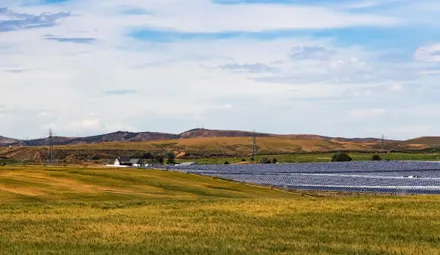
SOLAR: Hyundai plans to buy power for its Georgia factory from a Texas solar farm, then resell it for renewable energy credits, in large part because Georgia Power only sources 7% of its energy from renewables. (Atlanta Journal-Constitution)

STORAGE: Georgia officials fine a battery factory $33,000 after it improperly shipped discarded lithium-ion cells that started a fire and destroyed a recycling facility. (Atlanta Journal-Constitution)

OIL & GAS:

COAL: The debate over a new Kentucky law that makes it harder and more expensive to close coal-fired power plants revealed signs that Republicans are beginning to split over support for the industry. (Sierra)

HYDROGEN:

ELECTRIC VEHICLES: The United Auto Workers informs a Tennessee Volkswagen plant where workers recently voted to unionize that it must notify the union before making any employment changes such as layoffs or shift scheduling. (Chattanooga Times Free Press)

UTILITIES:

  • NextEra Energy’s CEO says the booming data center sector is driving demand for renewables — not just natural gas. (South Florida Business Journal, subscription; CNBC)
  • The Southern Company announces a 28% increase in profits just days after it completes the long overdue, vastly over-budget expansion of nuclear Plant Vogtle. (Atlanta Journal-Constitution)

CLIMATE:

POLITICS: U.S. Sen. Joe Manchin of West Virginia joins Republicans in criticizing the Biden administration’s energy policies during a hearing with Interior Secretary Deb Haaland. (E&E News)

COMMENTARY: Recent flooding problems faced by Houston offer a case study for cities trying to manage risk around climate change, writes a professor. (The Conversation)