Next Upcoming
Rural America & The Clean Energy Transition at Climate Week NYC
By Canary Media
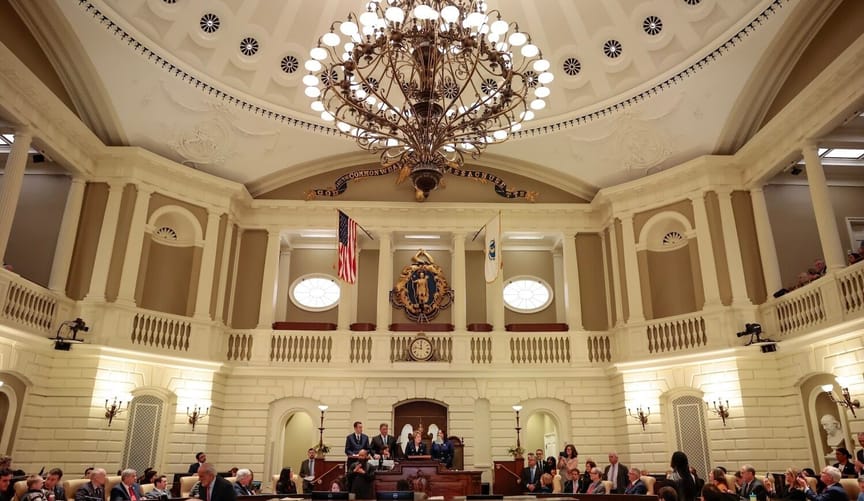
The Massachusetts Senate yesterday passed a sweeping energy-affordability bill that aims to save residents $14 billion over 10 years in a state that has some of the country’s highest utility costs.
The legislation includes measures that would change the state’s energy procurement process, put guardrails on the activities of third-party electric suppliers, and allow utilities to securitize certain spending, essentially lowering the cost they pay to borrow money. Other provisions aim to cut energy costs by decreasing residents’ reliance on fossil fuels. The bill would authorize the use of plug-in solar systems and phase out a major source of gas infrastructure spending.
“We believe if we can reduce our overdependence on gas … then we’ll be better off,” said Sen. Michael Barrett (D), chair of the Joint Committee on Telecommunications, Utilities, and Energy, and a major voice on climate and energy issues in the legislature, during yesterday’s debate. “These high bills are all fossil fuel–driven.”
Several amendments were approved during the debate. One specifies that data centers will not be eligible for state tax credits unless they meet requirements for clean energy procurement, energy efficiency, and load flexibility. Others call for an investigation into whether utilities’ guaranteed rates of return on investment are excessive, and would close a loophole that might otherwise allow a contentious wood-burning power plant to go forward in western Massachusetts.
The goal of the legislation was to dig into the complexities of the sprawling electric and gas systems to find and eliminate unnecessary fees and costly inefficiencies, Barrett said.
“You cannot save people money, fundamentally, without going after the status quo,” he said. “What we don’t want to see is legacy overcharges that you pay every month.”
The legislation, notably, would not lower spending for Mass Save, the state’s energy-efficiency program, in sharp contrast to the controversial $1 billion reduction the House version calls for. The House’s proposed cut would represent about two-thirds of the roughly $1.5 billion remaining in Mass Save’s three-year budget. Supporters say the move would quickly bring down customers’ bills, but opponents argue that these savings would be small — and that every dollar spent on energy-efficiency programs lowers overall costs for everyone.
The House and Senate now have to hammer out the differences between their versions, and each chamber will need to vote on the final legislation.
Sarah Shemkus is a reporter at Canary Media who is based in Gloucester, Massachusetts, and covers New England.
This video requires marketing cookies.
Update your cookie preferences to watch the video.